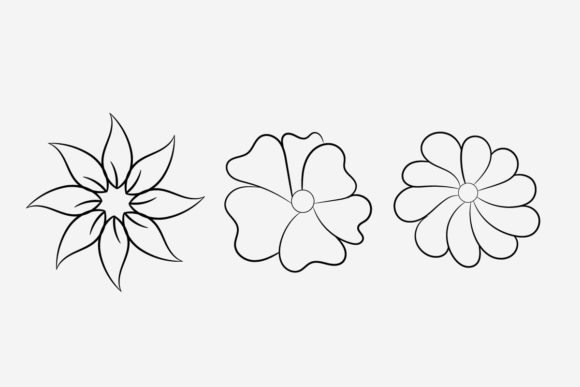
Floral Line Art Pattern with Branch: A Practical Evaluation for Creative Professionals
In the current landscape of digital design, the demand for authentic, hand-crafted aesthetics has not diminished; rather, it has evolved. Designers and creators are increasingly seeking assets that convey a sense of human touch and organic imperfection, moving away from the rigid uniformity of vector-generated shapes. Floral Line Art Pattern with Branch represents a significant intersection of traditional botanical illustration and modern vector scalability. This specific category of design elements combines delicate, continuous line work with structural branch motifs to create cohesive, versatile graphics suitable for a wide array of applications.
When evaluating resources like this, the primary consideration is often the balance between artistic integrity and technical utility. A simple sketch may lack the precision required for large-format printing, while a overly polished vector might feel sterile. The ideal asset sits in the middle ground, offering the charm of a hand-drawn original with the robustness of professional file formats. This analysis explores the characteristics, usability, and strategic value of Floral Line Art Pattern with Branch for professionals ranging from freelance illustrators to small business owners.
Defining the Aesthetic and Technical Structure
The term Floral Line Art Pattern with Branch describes a specific visual language characterized by unbroken, fluid lines that define the form of flowers, leaves, and stems without the use of solid fills or heavy shading. Unlike complex botanical renderings that rely on cross-hatching or watercolor washes, this style relies on negative space and line weight variation to create depth and texture. The inclusion of the "branch" element is critical; it provides a structural backbone that transforms isolated flower sketches into an interconnected pattern.
From a technical standpoint, high-quality versions of these assets are typically delivered as multi-format suites, including SVG, AI, EPS, PDF, and JPEG files. This variety is not merely a convenience but a necessity for workflow efficiency. The SVG (Scalable Vector Graphics) format allows designers to resize the image to any dimension without pixelation, making it essential for responsive web design and large-scale signage. Meanwhile, the AI (Adobe Illustrator) and EPS (Encapsulated PostScript) files provide editable layers, enabling users to modify colors, remove specific elements, or rearrange the composition to fit their unique layout requirements.
- Line Consistency: True hand-drawn quality requires subtle variations in line thickness that mimic the pressure of a pen or brush. Poorly digitized versions often appear too uniform, losing the organic feel.
- Branch Integration: The branch serves as a guide for the eye, leading viewers through the floral elements. A well-executed pattern ensures the branches flow naturally, avoiding awkward intersections or dead ends.
- File Integrity: Professional assets ensure that paths are closed and anchor points are minimized, which reduces file size and improves rendering speed in software like InDesign or Figma.
Practical Applications Across Industries
The versatility of Floral Line Art Pattern with Branch makes it a valuable asset for diverse sectors. For marketers and brand managers, these graphics offer a sophisticated way to elevate packaging, stationery, and digital campaigns without appearing dated. The minimalist nature of line art aligns perfectly with contemporary branding trends that favor clean, uncluttered visuals.
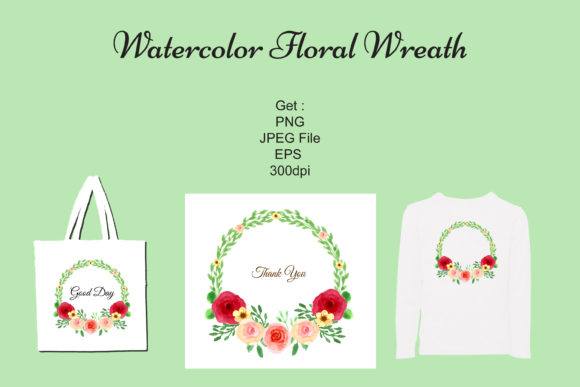
For entrepreneurs and small business owners, particularly those in the wellness, lifestyle, or artisanal food sectors, these illustrations can serve as key differentiators. A hand-drawn floral wreath or frame can instantly communicate values of natural ingredients, craftsmanship, and care. Imagine a boutique coffee shop using a Floral Line Art Pattern with Branch as a watermark on their receipts or as a decorative border on their menu cards. The result is a cohesive brand identity that feels personal and curated rather than mass-produced.
Educators and content creators also find significant utility in these assets. Bloggers and publishers often need to break up text-heavy articles with engaging visuals. High-quality SVG files allow for interactive elements where users can hover over specific flowers to reveal information, adding a layer of engagement to educational content. Furthermore, the ability to recolor these assets to match specific brand palettes means they can be adapted for various projects, from webinar backgrounds to printed workshop materials.
Evaluating Quality, Flexibility, and Long-Term Value
When selecting a resource, one must look beyond the initial visual appeal and consider long-term viability. The strength of a good Floral Line Art collection lies in its flexibility. A static JPEG image, while easy to share, offers limited potential for adaptation. If a client requests a change in color scheme or a modification to the layout, a raster image becomes unusable without significant effort and loss of quality.
Conversely, a comprehensive suite including Ai File – EPS File – SVG File – PDF file – JPEG empowers the user to adapt the asset to almost any scenario. The vector formats allow for non-destructive editing. A designer can isolate a single leaf from a complex branch pattern, enlarge it for a logo, or reduce the opacity to create a subtle background texture. This level of control is what separates a disposable graphic from a core design asset.
However, there are limitations to be aware of. Hand-drawn styles, by definition, possess irregularities. While this adds character, it can sometimes pose challenges for strict grid-based layouts or automated systems that require perfect symmetry. Additionally, the complexity of the line work must be balanced against the medium. Highly detailed branch patterns with intricate curls may not render clearly at very small sizes, such as favicons or mobile app icons, unless simplified versions are provided.
Strategic Considerations for Creators and Freelancers
For freelancers and agencies, time is currency. Utilizing pre-made Floral Line Art Pattern with Branch assets can significantly accelerate the production process. Instead of spending hours sketching botanical elements from scratch, a professional can import a high-quality base, customize it, and deliver a finished product much faster. This efficiency allows more time for strategy, client communication, and refining the overall creative direction.
Yet, reliance on stock assets requires a discerning eye. Not all "hand-drawn" vectors are created equal. Some may contain excessive anchor points that cause lag in editing software, while others may have inconsistent line weights that clash when combined with other design elements. It is crucial to inspect the source files before purchase or download. Look for clean path structures and logical grouping of elements. A well-organized file will separate the flowers, leaves, and branches into distinct layers, facilitating easier manipulation.
Furthermore, the aesthetic consistency of the asset is paramount. A collection should maintain a unified style throughout. Mixing overly realistic sketches with abstract, geometric interpretations of branches can create a disjointed visual experience. The best resources offer a cohesive set where every element feels like it belongs to the same botanical family.
Maximizing Impact Through Intentional Use
To truly leverage the power of Floral Line Art Pattern with Branch, designers must move beyond simply placing the image on a canvas. The effectiveness of the design depends on how well it integrates with typography, color, and white space. These line art elements often perform best when paired with elegant, serif typefaces that complement the calligraphic nature of the curves.
In terms of presentation, these assets excel in framing. A Hand drawn floral wreath or a decorative border can draw attention to key messages, such as event invitations or sale announcements. The organic flow of the branch guides the viewer's gaze inward toward the central content, creating a natural focal point. When used in digital media, the lightweight nature of SVG files ensures fast load times, which is a critical factor for user retention and SEO performance.
Ultimately, the decision to incorporate these elements comes down to the desired emotional response. Do you want your audience to feel structured and corporate, or relaxed and organic? Floral Line Art Pattern with Branch leans heavily toward the latter. It evokes a sense of calm, growth, and natural beauty. By understanding these nuances, professionals can make informed decisions about when and how to use these assets to achieve their specific goals.
Whether you are designing a wedding invitation, rebranding a skincare line, or creating a digital course, the right visual tools can bridge the gap between concept and execution. With the right combination of file formats and a keen eye for quality, these botanical illustrations offer enduring value that transcends fleeting design trends.