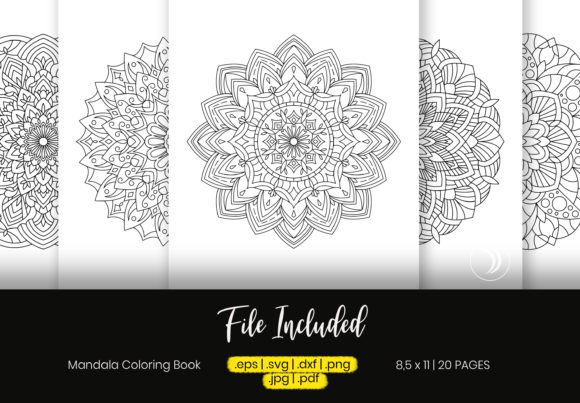
Mandala Design Coloring Page Book: A Comprehensive Evaluation
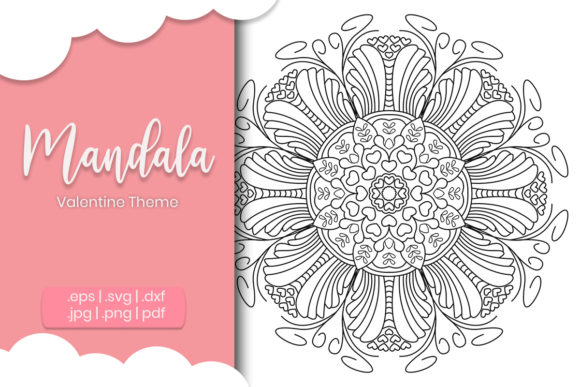
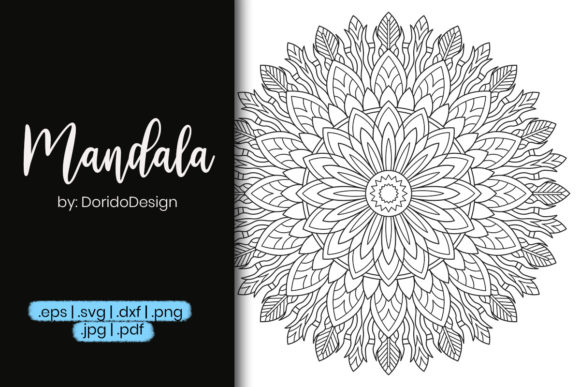
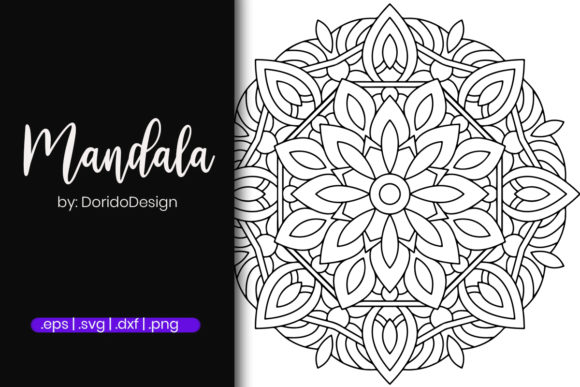
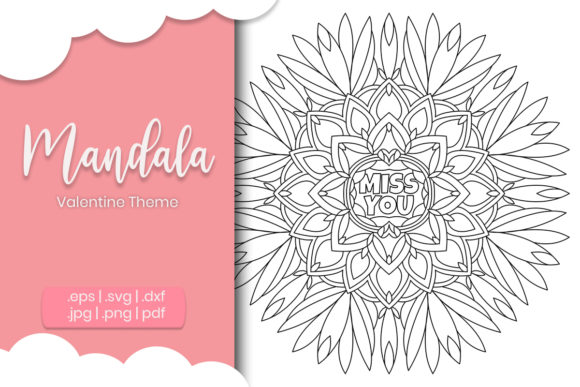
The Mandala Design Coloring Page Book represents a specialized collection of vector illustrations centered on decorative round floral mandalas. These intricate patterns are not merely static images but versatile assets designed for professional and creative applications. The core value proposition lies in the format diversity; users receive 100 print-ready files available in multiple source formats, including Ai, Eps, Svg, Dfx, Png, and Jpg. This comprehensive suite allows designers, business owners, and hobbyists to integrate high-quality geometric and floral motifs into a wide array of projects.
Understanding the utility of this resource requires looking beyond the concept of a coloring book. While the name suggests a recreational activity, the underlying asset is a robust library of vector graphics intended for commercial and personal design work. The distinction between a simple raster image and a scalable vector file is critical when selecting tools for business cards, wedding invitations, or fashion designs. This evaluation explores who benefits most from these files, the practical advantages of the included formats, and the strategic considerations for integrating them into existing workflows.
Core Applications and Versatility
The primary appeal of the Mandala Design Coloring Page Book content is its adaptability across various media. The circular, symmetrical nature of mandalas provides a balanced aesthetic that is universally appealing in graphic design. When applied to business cards, these patterns can serve as elegant borders or subtle background textures that add depth without overwhelming the text. Similarly, for greeting cards and wedding invitations, the floral elements convey a sense of tradition and sophistication.
However, the utility extends significantly further than stationery. In the realm of gift vouchers, a clean mandala design can elevate a standard template into a premium product. For digital marketers and web designers, the inclusion of SVG and PNG formats ensures that these backgrounds function effectively on websites and social media platforms. Furthermore, the scalability inherent in vector files makes them ideal for fashion design, where patterns must be repeated seamlessly on fabric without losing resolution.
- Stationery Design: Creating cohesive branding materials like letterheads and envelopes using matching floral motifs.
- Event Planning: Generating custom wedding invites and thank-you notes with unique, hand-drawn aesthetics.
- Textile Arts: Utilizing the seamless nature of the patterns for t-shirt printing or fabric wrapping.
- Digital Media: Implementing background patterns for blogs, e-books, or digital advertisements.
The Advantage of Multi-Format Delivery
A significant factor in evaluating this product is the breadth of file formats provided. The availability of Ai (Adobe Illustrator), Eps, and Dfx ensures compatibility with professional desktop publishing software, allowing for precise editing of anchor points and colors. This is essential for users who need to modify the artwork to fit specific brand guidelines or layout constraints.
The inclusion of Raster formats like Png and Jpg addresses different needs. High-resolution Pngs are perfect for immediate use in digital presentations or social media posts where editing capabilities are not required. The Dfx (DXF) format is particularly notable for those involved in laser cutting or vinyl plotting, bridging the gap between digital design and physical manufacturing. By providing 100 print-ready files in these varied formats, the package eliminates the need for users to purchase separate conversions or hire third-party services to prepare their assets.
This multi-format approach reduces technical friction. Users do not need to worry about whether their specific printer or software version supports the file type. Whether the project involves a large-scale banner or a small mobile screen ad, the appropriate file format is already available within the source package.
Evaluating Tradeoffs and Considerations
While the Mandala Design Coloring Page Book offers extensive utility, potential users should consider certain tradeoffs. The primary consideration is the complexity of the designs. Mandala patterns often feature dense lines and intricate details. While this adds visual interest, it may not be suitable for all design contexts. For example, a busy background might compete with important text on a business card if not used carefully. Designers must exercise restraint, perhaps using the patterns as accents rather than full-page backgrounds.
Another consideration is the learning curve associated with vector editing. Although the files are provided in editable formats like Ai and Eps, utilizing their full potential requires proficiency in vector software. Users unfamiliar with these tools may find the raw files less immediately usable compared to ready-made templates. However, the presence of Jpg and Png versions mitigates this issue by offering "plug-and-play" options for those who prefer not to edit vectors.
There is also the matter of originality. Since mandala designs are a popular genre, there is a risk that the patterns may appear generic if not customized. To stand out, users must combine these assets with unique typography, color palettes, or layout strategies. The value of the product increases when the user treats the files as building blocks rather than finished products.
Situational Fit and Alternatives
This resource is a strong fit for freelance graphic designers, small business owners creating their own marketing materials, and craft enthusiasts who engage in DIY printing. It is particularly beneficial for those working on a budget who need high-quality assets without the recurring cost of subscription-based stock photo sites. If a project requires rapid prototyping of invitation suites or a series of branded documents, the 100-file volume provides ample variety to maintain consistency while avoiding repetition.
Conversely, alternatives may be worth considering depending on specific needs. If a user requires highly stylized, modern, or abstract geometries that deviate from traditional floral themes, a general vector pack might offer more relevant results. Additionally, if the goal is purely recreational coloring without any intention of commercial use or modification, a physical coloring book or a PDF-only digital download might be a more cost-effective choice. Users needing fully composed layouts rather than individual pattern elements might look toward template marketplaces instead.
Practical Decision-Making Insights
To determine if the Mandala Design Coloring Page Book aligns with your goals, assess your current workflow and future project requirements. Ask yourself if you have access to vector editing software. If yes, the Ai and Eps files will provide maximum flexibility. If no, verify that the Png and Jpg resolutions meet your print specifications.
Consider the longevity of your projects. Vector files remain editable indefinitely, making them a long-term investment. Once downloaded, you can reuse these assets for years without degradation in quality. This makes the purchase economically sound for businesses planning to scale their branding efforts over time.
Finally, evaluate the specific aesthetic. Review the preview images to ensure the floral density and style match your vision. The success of the final output depends heavily on how well the chosen mandala complements the other elements of your design. If the balance between the intricate pattern and the functional text is achievable, this resource offers a solid foundation for creating professional-grade materials.
In conclusion, the Mandala Design Coloring Page Book serves as a versatile toolkit for anyone seeking to incorporate decorative round floral elements into their work. Its strength lies in the combination of artistic detail and technical versatility. By providing 100 files in essential formats, it caters to a wide spectrum of users, from novices to professionals. While it requires thoughtful application to avoid visual clutter, the potential for enhancing business cards, invitations, and fashion designs makes it a valuable addition to a designer's digital library.