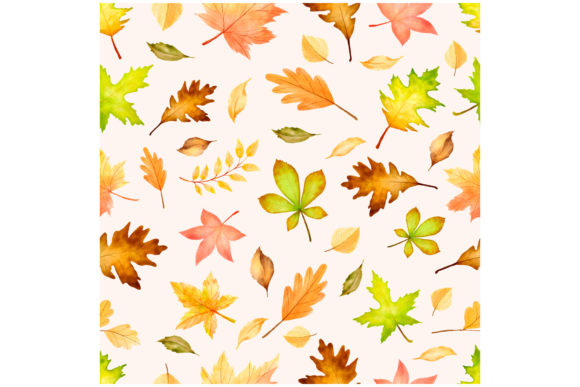
Understanding the Beauty and Utility of a Beautiful Floral Seamless Pattern
In the vast landscape of digital design and traditional textile arts, few elements possess as much enduring appeal as a beautiful floral seamless pattern. Whether you are an interior designer selecting wallpaper for a boutique hotel, a fashion illustrator creating a spring collection, or a graphic designer preparing a wedding invitation suite, the choice of background can define the entire aesthetic tone. This specific type of design is more than just a repeating image; it is a foundational element that bridges the gap between organic nature and structured geometry.
Unlike a standalone illustration of a single rose or a bouquet of wildflowers, a seamless pattern is engineered to tile infinitely without visible breaks. This technical requirement creates a continuous flow of botanical motifs—such as pink blossoms, vintage green leaves, and delicate branches—that wrap around surfaces or fill digital canvases with a sense of endless rhythm. The result is a texture that feels both expansive and intimate, capable of transforming a plain white card into a romantic piece of art or turning a simple fabric swatch into a high-fashion statement.
Distinguishing Characteristics of Floral Seamless Designs
To understand why a beautiful floral seamless pattern stands out among other decorative options, one must look at its composition. These designs often utilize a variety of artistic techniques, ranging from soft watercolor washes that mimic the fluidity of real petals to crisp vector lines that offer precision and scalability. The color palette is equally diverse. While many associate this style with the pastel hues of spring and summer, incorporating soft pinks and fresh greens, the category also encompasses deep, retro tones suitable for vintage aesthetics or bold, colorful arrangements that evoke a garden in full bloom.
The distinctiveness lies in the balance between the individual elements and the overall unity. A well-crafted pattern ensures that every bloom, ornament, and leaf contributes to a larger narrative without overwhelming the viewer. This is particularly important when the design is applied to complex surfaces like upholstery or large-scale wallpapers. If the repetition is too obvious, the design loses its charm and appears artificial. Conversely, a masterfully executed seamless pattern creates an illusion of depth, making a flat surface feel alive with nature.
Artistic Styles: Watercolor vs. Vector vs. Hand-Drawn
When evaluating different types of floral patterns, the medium plays a crucial role in the final application. Watercolor styles are favored for their soft, ethereal quality, often used in romantic contexts such as Valentine's Day cards or bridal stationery. The bleeding edges of watercolor ink create a dreamy effect that feels personal and handcrafted. In contrast, vector graphics offer clean lines and sharp details, making them ideal for textile prints where durability and clarity are paramount. Vector files allow designers to scale a flower motif from a tiny icon on a mobile app to a massive mural on a building facade without losing resolution.
There is also the option of hand-drawn or sketch-style illustrations, which add a layer of authenticity and texture. These designs often feature rougher edges and organic imperfections that mimic the look of a sketchbook page. Each style serves a different purpose, and the decision often depends on the desired emotional response from the audience.
Comparing Seamless Patterns to Alternative Design Approaches
Designers frequently face the choice between using a beautiful floral seamless pattern and other decorative methods. Understanding the tradeoffs between these options helps in selecting the right resource for the project.
- Seamless Pattern vs. Single Illustration: A single flower illustration is perfect for focal points, such as a logo or a central image on a book cover. However, if you need to cover a large area like a background for a website or a roll of fabric, a single image requires excessive tiling that looks disjointed. A seamless pattern solves this by providing a ready-made, infinite texture that maintains visual consistency across the entire surface.
- Seamless Pattern vs. Abstract Art: Abstract designs offer modern minimalism and can be highly versatile. However, they lack the immediate recognition and emotional connection that floral motifs provide. For projects aiming to evoke feelings of growth, romance, or nostalgia, a botanical pattern is often a superior choice over purely geometric or abstract shapes.
- Seamless Pattern vs. Photographic Textures: High-resolution photographs of gardens are stunning but can be difficult to use as backgrounds because they often contain distracting details or uneven lighting. A stylized pattern simplifies these elements, reducing visual noise while retaining the essence of the subject. This makes the design more functional for text overlay and UI elements.
Evaluating Use Cases and Decision Factors
Selecting the right floral pattern involves more than just picking a pretty picture. It requires a strategic assessment of the end product's function, the target audience, and the intended atmosphere.
Textile and Fashion Applications
In the world of fashion and textile design, the repeat structure of a seamless pattern is critical. When printing on fabric, the pattern must align perfectly along the grain of the material. A vintage style with intricate ornaments might work beautifully for a summer dress, while a minimalist arrangement of green branches could suit a modern corporate uniform. The key consideration here is scale; a small tile size works best for fine linens, whereas a large-scale blossom design commands attention on outerwear or curtains.
Digital and Print Media
For digital applications, such as web design or mobile interfaces, a beautiful floral seamless pattern can serve as a subtle backdrop that enhances readability without competing with content. Soft, low-contrast designs in white, pink, and light green are often preferred here to maintain a clean interface. In print media, such as invitation cards or paper packaging, the pattern adds a tactile dimension. The choice between a watercolor look and a graphic vector style will depend on the printing method; some printers handle vibrant, solid colors better than delicate gradients.
Interior Design and Wallpaper
Wallpaper is perhaps the most transformative application for these designs. A garden-themed seamless pattern can make a small room feel larger and more open. However, the density of the decoration matters significantly. A busy pattern filled with colorful blooms and leaves can overwhelm a space if the walls are already cluttered with furniture. In such cases, a sparser design with more negative space (often white) allows the eye to rest while still enjoying the artistic detail.
Navigating Limitations and Best-Fit Scenarios
While a beautiful floral seamless pattern is incredibly versatile, it is not a universal solution. There are scenarios where this style may not be the optimal choice. For instance, in ultra-modern or industrial design schemes, a retro floral motif might clash with the stark, metallic, or concrete aesthetic. Similarly, for high-tech branding or financial institutions, the organic, flowing nature of plant imagery might convey the wrong message of stability and precision.
Furthermore, the complexity of the pattern affects its usability. Highly detailed designs with thousands of tiny elements can become muddy when scaled down for small screens or printed on low-resolution materials. In these instances, a simplified version or a different abstract style might be more effective. Additionally, cultural sensitivity is important; certain floral symbols carry specific meanings in different cultures, so global campaigns require careful research to ensure the flora chosen is appropriate.
Making the Final Choice
Ultimately, the decision to use a beautiful floral seamless pattern rests on the specific goals of the project. If the aim is to create an atmosphere of warmth, elegance, or natural beauty, these patterns are unmatched. They offer a timeless quality that transcends fleeting trends, making them a safe yet sophisticated choice for long-term investments like home decor or brand identity.
When researching options, look beyond the initial visual appeal. Consider the file format, the color versatility, and how the pattern behaves when repeated. Does it feel cohesive? Do the rose stems connect naturally to the next tile? Is the texture consistent? By asking these practical questions, designers and consumers alike can move past the surface level of "pretty" and find a template that truly elevates their work. Whether you choose a painting-like aesthetic or a sharp graphic design, the right seamless pattern acts as the silent partner that brings your creative vision to life.