Unlocking Creativity with Side View Food Truck Seamless Patterns and Editable SVG Vectors
In the vibrant world of graphic design, food trucks have evolved from simple street vendors into rolling icons of culinary culture. They represent freedom, flavor, and community. For designers, business owners, and creative enthusiasts, capturing this energy in a visual format can be challenging yet rewarding. This is where the Side View Food Truck Seamless Pattern becomes an indispensable asset. By combining flat-style illustrations with the versatility of vector technology, this design element offers endless possibilities for branding, merchandising, and artistic expression.
Whether you are looking to create a unique fabric print for a pop-up restaurant or designing custom vehicle wraps, understanding how to utilize these seamless patterns and editable SVG vectors can transform your projects. This guide explores the significance of these digital assets, how they fit into modern design workflows, and why using Inkscape software is often the best choice for editing them.
What Is a Seamless Pattern?
To fully appreciate the utility of the side view food truck illustration, one must first understand the concept of a seamless pattern. In graphic design, a seamless pattern is a texture that repeats perfectly without visible breaks or edges. When tiled horizontally and vertically, it creates an infinite background that looks like a single, continuous image.
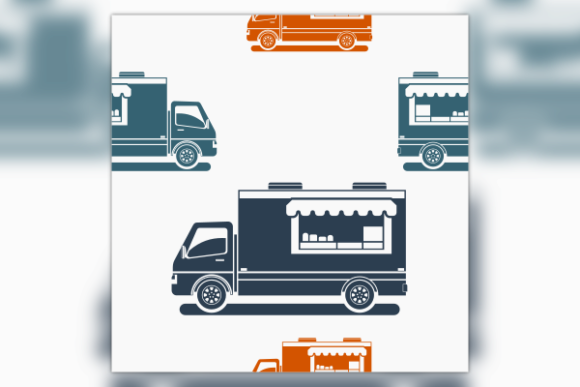
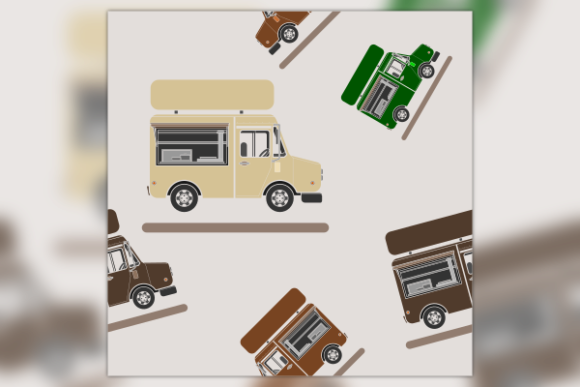
Imagine wrapping a gift or printing a t-shirt. If the design has hard edges, the pattern will look disjointed when repeated. A seamless pattern eliminates this issue. The side view food truck seamless pattern takes a single, charming illustration of a mobile food truck—often depicted in a flat, colorful style—and arranges it so that the truck on the left connects perfectly with the truck on the right. This allows the design to be scaled up to any size, from a small greeting card to a massive billboard, without losing quality.
The Power of Flat Style Illustration
The specific style mentioned in our resources is "flat style." This design aesthetic uses solid colors, simple shapes, and a lack of complex gradients or shadows. Why is this important? Flat design is timeless, highly legible, and incredibly versatile. It translates well across different mediums, whether it is a high-resolution print or a digital screen. The various colors included in the pattern allow designers to match specific brand palettes, making the food truck motif adaptable to everything from gourmet burger joints to artisanal ice cream shops.
Why Vector Formats Matter: The Role of SVG, EPS, and PDF
One of the most critical aspects of this design package is its format. You are not just receiving raster images (like JPEGs), but rather editable SVG vectors, along with EPS, PDF, and high-resolution PNG files. Understanding the difference between these formats is crucial for professional results.
- SVG (Scalable Vector Graphics): This is the gold standard for web and modern design. An SVG file contains mathematical paths rather than pixels. This means you can zoom in infinitely, and the lines will remain crisp. More importantly, because it is vector-based, every element—the wheels, the windows, the roof—is an individual object that can be selected, moved, recolored, or deleted.
- EPS and PDF: These are industry-standard vector formats used primarily for professional printing. If you plan to send your design to a large-format printer for banners or signage, having the EPS version ensures that the colors are accurate and the resolution is sufficient for commercial use.
- PNG: While the vector files offer editability, the high-resolution PNG provides a ready-to-use image for quick mockups or social media posts where editing isn't required.
By providing these multiple formats in a ZIP archive, the resource caters to both beginners who might need a quick image and professionals who require full control over their design elements.
Practical Applications in Business and Daily Life
The versatility of the side view food truck seamless pattern extends far beyond simple decoration. Its practical relevance spans several industries, making it a valuable tool for entrepreneurs and creatives alike.
Merchandising and Textiles
Food trucks often build a strong brand identity around merchandise. T-shirts, tote bags, aprons, and napkins featuring a repeating pattern of their iconic vehicle create a cohesive look. Because the pattern is seamless, manufacturers can print it on rolls of fabric without worrying about alignment issues. The flat style ensures that the colors pop even after the washing process involved in textile production.
Invitations and Marketing Materials
For grand openings or special events, invitations set the tone. Using the food truck pattern as a background for event cards adds a playful, appetizing touch. It signals to the guest that the event will be fun, casual, and delicious. Similarly, business cards and flyers benefit from this texture, standing out against plain white backgrounds.
Vehicular Branding and Decor
Perhaps the most literal application is using the design as a decorative element for vehicles. While the pattern itself is digital, it serves as the blueprint for vinyl wraps. Whether you are designing a fleet of delivery trucks or personalizing a van for a food tour, the ability to edit the vector allows you to adjust the scale and density of the pattern to fit the contours of the vehicle perfectly.
Digital and Educational Use
In the realm of education and digital content, these patterns are useful for creating worksheets, presentations, or website backgrounds. Teachers can use them to make learning materials about nutrition or entrepreneurship more engaging. Bloggers and influencers can use the pattern to create consistent headers for their food-related content.
Mastering the Design: Why Inkscape is the Ideal Tool
While many software options exist for handling vector graphics, the recommendation to use Inkscape for editing this specific pattern is strategic. Inkscape is a powerful, open-source vector graphics editor available for Windows, macOS, and Linux. It is free to download and use, making it accessible to students, hobbyists, and startups who may not have the budget for expensive proprietary software like Adobe Illustrator.
Editing Capabilities
When you open the SVG file in Inkscape, you gain granular control over the design. You can:
- Change Colors: Select the entire truck or individual parts and swap the hex codes to match your brand's exact color scheme.
- Modify Elements: Remove the wheels if you want a static logo, or add text bubbles to indicate the type of food being sold.
- Adjust Spacing: Manipulate the distance between the trucks in the seamless pattern to create a denser or sparser background.
- Combine Assets: Layer other vector elements, such as cutlery, spices, or clouds, onto the existing pattern to create a custom composition.
This level of flexibility ensures that the final output is not just a stock image, but a bespoke design tailored to your specific needs. The ability to export back to PDF or PNG after editing makes the workflow seamless.
Clarifying Common Misunderstandings
As with any design resource, there are misconceptions that can lead to frustration. One common assumption is that "editable" means "easy to change without knowledge." While the tools are user-friendly, understanding basic vector concepts is helpful. For instance, grouping objects in Inkscape allows you to move the whole truck at once, while ungrouping lets you edit specific details. Beginners should take time to explore the interface before diving into complex edits.
Another misunderstanding involves the difference between a "pattern" and a "single image." A single image of a food truck cannot be tiled seamlessly without gaps unless it is specifically designed as a seamless pattern. Ensure you are using the provided seamless version for backgrounds and the single vector for logos. Confusing the two can result in poor-quality prints with visible grid lines.
Conclusion: Elevate Your Creative Projects
The Side View Food Truck Seamless Pattern and Editable SVG vector is more than just a clipart download; it is a foundational tool for modern branding and design. It bridges the gap between the whimsical nature of street food culture and the professional requirements of commercial printing and digital media.
By leveraging the power of vector technology and utilizing accessible software like Inkscape, anyone can create high-quality, professional designs. From fabrics that tell a story to invitations that spark excitement, the applications are limited only by your imagination. Whether you are launching a new food truck, designing a menu for a cafe, or simply adding a splash of color to your next creative project, this resource provides the perfect canvas for your ideas.
Embrace the flexibility of SVG, enjoy the convenience of the included formats, and let the vibrant side view of the food truck inspire your next masterpiece. With the right tools and a clear understanding of how to manipulate these elements, you can turn a simple pattern into a powerful visual statement.