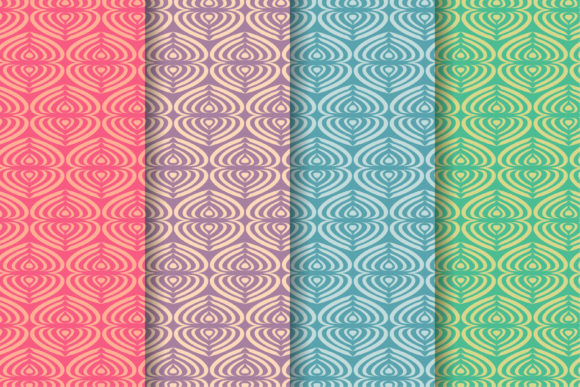
Part of Lotus Flower Pattern: A Comprehensive Guide to Symmetrical Vector Design Resources
In the realm of graphic design, finding a balance between organic elegance and geometric precision is often the key to creating timeless assets. The Part of Lotus Flower Pattern represents a specific niche within decorative vector resources that merges these elements seamlessly. Unlike generic floral templates, this design set focuses on the intricate interplay of line curves that mimic the natural structure of a lotus bloom or the fluid contours of a heart. By utilizing pastel color palettes and strict symmetry, designers can achieve a look that feels both contemporary and deeply rooted in traditional ornamentation.
This resource is particularly valuable for professionals who require high-fidelity graphics that can scale without losing quality. As a collection of 100% vector files, it offers a level of flexibility that raster-based images simply cannot match. Whether you are working on textile prints, digital backgrounds, or packaging design, understanding the unique attributes of this pattern set helps determine if it fits your specific project requirements.
Distinguishing Features of the Lotus Curve Collection
The primary distinction of the Part of Lotus Flower Pattern lies in its dual nature as both an abstract art piece and a functional decorative element. While many floral patterns rely on solid fills or heavy shading, this template emphasizes line work and curve continuity. This approach creates a "continuous" visual flow that is ideal for repeating textures where seams must be invisible.
The design philosophy centers on symmetry. In graphic terms, symmetry provides a sense of order and stability, which is crucial for branding materials and formal invitations. However, the use of soft, flowing lines prevents the design from appearing rigid or cold. The inclusion of pastel colors—ranging from mint and soft blue to gentle reds and greens—allows the pattern to adapt to various moods, from serene and meditative to romantic and playful.
- Vector Precision: Every shape is defined mathematically, ensuring that whether the design is scaled down for a business card or blown up for a wallpaper, the edges remain crisp.
- Editable Architecture: The file organization allows users to modify text, shapes, and colors independently. This editability is a significant advantage over pre-rastered images, giving the user control over the final aesthetic.
- High Resolution Standards: With a native resolution of 300dpi, the assets are print-ready. This meets the industry standard for professional printing, eliminating the need for upscaling which often results in pixelation.
Evaluating Format Versatility and Technical Specifications
When selecting a graphic resource, the file format is often as critical as the visual design itself. The Part of Lotus Flower Pattern download package includes a comprehensive suite of formats: Ai, EPS, JPG, and SVG. Each format serves a distinct purpose in the creative workflow, making this set more versatile than single-format alternatives.
The AI (Adobe Illustrator) and EPS files are the gold standards for editable vector work. They allow designers to access the underlying layers, ungroup elements, and adjust stroke weights. For a project requiring deep customization, such as altering the color scheme to match a specific brand identity, these formats are essential. The SVG format is equally important for web designers, offering lightweight code that renders perfectly on all screen sizes while maintaining the sharpness of the line curves.
Conversely, the JPG files provide immediate usability for quick mockups or situations where vector editing software is not available. While they lack the infinite scalability of the vector versions, having a 300dpi version ensures that the static image remains suitable for high-quality print proofs. This multi-format approach eliminates the common frustration of purchasing a design only to find the necessary file type is missing.
Comparing Approaches: Abstract Line Art vs. Photorealistic Florals
Designers often face a choice between photorealistic floral imagery and abstract line art. The Part of Lotus Flower Pattern falls squarely into the latter category, but with a specific twist that sets it apart from simple doodles. Photorealistic images, while beautiful, often suffer from limitations regarding background removal and color manipulation. They can also clash with modern, minimalist design trends that favor simplicity.
In contrast, the abstract nature of this pattern makes it highly adaptable. It functions effectively as a backdrop without overpowering foreground content, a common issue with busy, detailed illustrations. When compared to other geometric patterns, the organic curves of the lotus add a human touch that pure geometry lacks. This makes it an excellent choice for industries like fashion and home decor, where the goal is to evoke emotion rather than just display data.
However, there are tradeoffs. If a project requires a hyper-realistic depiction of a flower for botanical accuracy, this abstract template would not be the correct choice. Similarly, for designs demanding a chaotic or grunge aesthetic, the high symmetry and clean lines might feel too orderly. Understanding these nuances is vital when evaluating whether this resource aligns with your project's tone.
Ideal Use Cases and Application Scenarios
The versatility of the Part of Lotus Flower Pattern extends across numerous categories, including fabric, textile, paper, and digital media. Its ability to repeat seamlessly makes it a top contender for wrapping paper and gift packaging. The pastel color combinations are particularly effective for events such as weddings, baby showers, and spring-themed marketing campaigns.
In the fashion industry, this pattern can be applied to textiles for clothing lines, scarves, or accessories. The vector nature of the file ensures that the pattern can be tiled at any density required by the fabric manufacturer. For graphic designers working on greeting cards or invitation suites, the editable text and shapes allow for rapid personalization. Instead of starting from scratch, a designer can import the vector asset and simply swap out the typography and specific hue values.
The pattern also serves well in interior design contexts. As a wallpaper or digital background for mobile devices, the symmetrical design creates a calming visual effect. The combination of mint, blue, and green tones promotes a sense of tranquility, making it suitable for wellness apps, spa websites, or meditation guides. The "love" aspect of the design, interpreted through the heart-like curves, adds a layer of emotional resonance that works well for Valentine's Day promotions or relationship-focused content.
Decision Factors: When to Choose This Template
Selecting the right design asset involves weighing cost against utility. The Part of Lotus Flower Pattern is best suited for projects where longevity and reusability are priorities. Because the files are fully editable vectors, the initial investment yields long-term value; the same asset can be used for a small social media post today and a large banner next year without degradation.
Readers should consider this option if their workflow involves:
- Multi-platform distribution: Needing one source file to generate outputs for print, web, and mobile.
- Brand consistency: Requiring the ability to tweak colors and shapes to match existing brand guidelines.
- Professional output: Demanding 300dpi resolution for physical products like cards or fabrics.
On the other hand, if a project has a very tight deadline and no time for vector editing, a pre-made PNG or JPG might be faster. Additionally, if the design direction calls for a completely non-symmetrical, free-form style, this structured template may require too much modification to be efficient.
Maximizing Value Through Organization and Support
One often overlooked aspect of digital downloads is the organization of the files. The Well organized structure of this pattern set significantly reduces the time spent searching for specific elements. Designers can quickly locate the specific curve or segment needed without sifting through cluttered layers. Furthermore, the availability of support channels ensures that if questions arise regarding the usage rights or technical implementation, assistance is readily available.
Ultimately, the Part of Lotus Flower Pattern stands out as a robust tool for creatives seeking a blend of modern aesthetics and classic form. By offering a mix of abstract and organic elements in a variety of editable formats, it bridges the gap between conceptual art and practical application. Whether you are creating a retro-styled poster or a contemporary wedding invitation, the symmetry and pastel palette of this set provide a solid foundation for your creative vision.
For those looking to elevate their design projects with high-quality, versatile assets, this collection offers a compelling solution. It respects the designer's need for control while providing a polished starting point that captures the essence of the lotus and the fluidity of love. As you evaluate your options, consider how the balance of symmetry, color, and vector capability can enhance your specific workflow.