Wide Chinese Building Seamless Pattern: A Comprehensive Guide to Traditional Architecture in Modern Design
In the vast landscape of graphic design, few elements capture the essence of a culture as effectively as its architectural heritage. The wide Chinese building seamless pattern stands out as a timeless asset, blending the grandeur of traditional structures with the versatility required for contemporary applications. Whether you are a textile designer looking for unique fabric prints, an event planner creating elegant invitations, or a digital artist crafting merchandise, this specific illustration style offers a bridge between history and modernity.
This article explores the significance of these editable SVG vectors, their practical applications in various industries, and how utilizing tools like Inkscape can unlock your creative potential. We will delve into why flat monochrome styles are gaining popularity and how high-resolution assets ensure your projects remain professional and crisp.
Understanding the Artistic Concept
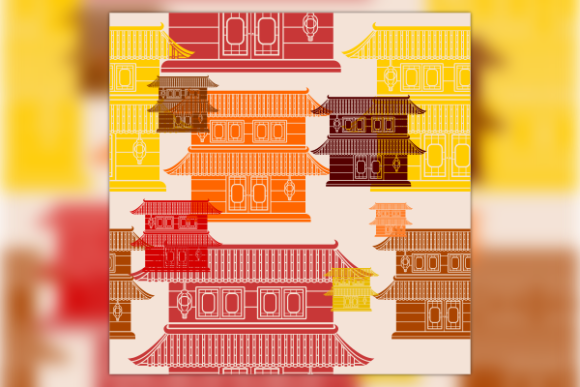
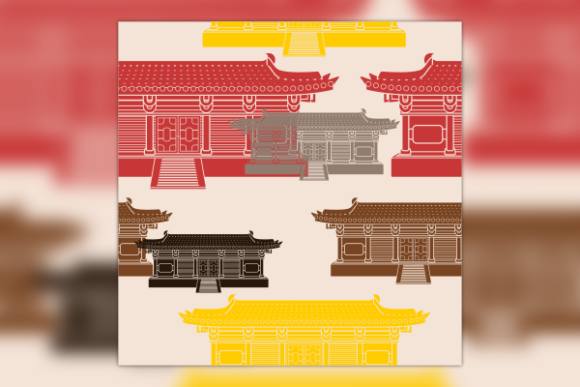
At its core, a seamless pattern is a design that repeats without visible breaks, allowing it to cover any surface area uniformly. When applied to wide Chinese buildings, the result is a rhythmic visual narrative that evokes the spirit of ancient palaces, pagodas, and temples. The "wide" aspect of these illustrations typically refers to panoramic or horizontal compositions that emphasize the expansive nature of traditional Chinese architecture, characterized by sweeping roofs, intricate eaves, and symmetrical layouts.
The flat monochrome style mentioned in the context of this vector set represents a modern interpretation of classical art. By stripping away complex gradients and realistic textures, designers focus on the essential lines and shapes that define the structure. This simplification serves two purposes:
- Aesthetic Versatility: Flat designs are easier to colorize and adapt to different brand palettes.
- Cultural Clarity: It highlights the iconic silhouette of the architecture, making it instantly recognizable even at small sizes.
Unlike photorealistic images which can be heavy and difficult to manipulate, vector-based illustrations offer infinite scalability. You can resize a wide Chinese building from a tiny icon on a business card to a massive mural on a building facade without losing any quality.
The Power of Editable SVG Vectors
The format of the file is just as important as the artwork itself. The inclusion of editable SVG (Scalable Vector Graphics) files transforms this asset from a static image into a dynamic tool for creativity. Unlike raster formats like JPEGs, which lose quality when zoomed in, SVGs use mathematical paths to define shapes. This means every line, curve, and angle of the traditional building can be manipulated individually.
When you receive the attached ZIP file containing EPS, PDF, and high-resolution PNGs alongside the SVG, you gain access to a complete workflow solution. However, the true magic lies in editing the SVG. Here is why this matters for your projects:
- Color Customization: The original illustration may come in a specific palette, but your project might require a different mood. With an SVG, you can easily change the roof tiles from imperial yellow to deep blue or the pillars from red to gold, ensuring the design matches your specific theme.
- Layout Adjustments: Perhaps you need to remove a specific window or add a decorative lantern to the eaves. Vector software allows you to select individual elements and modify them without affecting the rest of the pattern.
- Optimization for Web and Print: SVGs are lightweight and perfect for web backgrounds, while being scalable enough for large-format printing.
Recommended Tools: Why Inkscape?
To fully leverage the potential of these editable assets, using the right software is crucial. While many professionals use Adobe Illustrator, the guide specifically recommends Inkscape for editing these patterns. Inkscape is a powerful, open-source vector graphics editor that provides a robust alternative to paid software, making it accessible to students, hobbyists, and small businesses alike.
Why is Inkscape particularly well-suited for this task? First, it has excellent support for the SVG standard, ensuring that all layers and paths within the Chinese building illustration remain intact upon opening. Second, its node editing tools allow for precise manipulation of the curved lines typical of Chinese roof architecture. Finally, because it is free, users can experiment freely with colors and compositions without worrying about licensing costs.
For beginners, Inkscape offers a gentle learning curve. You can start by simply changing the fill color of a building segment, then progress to merging shapes or adding text overlays for invitations. The ability to export directly to high-resolution PNGs ensures that your final output is ready for commercial use.
Practical Applications in Modern Life and Business
The utility of a wide Chinese building seamless pattern extends far beyond simple decoration. Its ability to convey a sense of history, elegance, and cultural depth makes it a valuable asset across multiple sectors.
Textile and Fashion Design
Fabric design is one of the most common uses for seamless patterns. Imagine a silk scarf featuring a repeating motif of traditional pavilions, or a cotton dress printed with a subtle, monochrome outline of a palace gate. Because the pattern is seamless, it can be tiled endlessly across yards of fabric without awkward seams disrupting the flow of the design. The flat style works exceptionally well for screen printing and digital textile printing, offering a clean look that appeals to modern consumers who appreciate minimalist aesthetics with cultural roots.
Event Planning and Stationery
Invitations for weddings, corporate events, or cultural festivals often require a touch of sophistication. A background featuring a wide Chinese building pattern can set the tone immediately. For example, a wedding invitation for a couple celebrating a multicultural union could use a pattern that blends Western floral motifs with Eastern architecture. The editable nature of the SVG allows the designer to match the invitation's color scheme perfectly, perhaps using gold accents on a navy blue background to create a luxurious feel.
Merchandising and Branding
In the world of merchandise, from tote bags to phone cases, unique designs stand out. Brands looking to tap into the growing market for Asian-inspired goods can utilize these patterns to create distinct products. Furthermore, for businesses related to travel, tourism, or culinary arts (such as a Chinese restaurant chain), incorporating these architectural elements into logos and marketing materials reinforces brand identity and connects customers to the authenticity of the experience.
Digital Media and Education
In the digital realm, these patterns serve as engaging backgrounds for websites, presentations, and educational materials. History teachers can use the high-resolution PNGs to illustrate lectures on ancient dynasties, while web developers can use the SVG code to create responsive, animated backgrounds that load quickly. The flat style ensures that the design does not distract from the primary content, acting as a subtle yet effective decorative element.
Clarifying Common Misunderstandings
As with any specialized design topic, there are misconceptions that can hinder users. One common assumption is that "traditional" implies "outdated." However, the fusion of traditional Chinese architecture with flat, modern vector design proves otherwise. This combination creates a "retro-modern" aesthetic that is highly trendy in 2024 and beyond.
Another misunderstanding involves the complexity of editing vectors. Many beginners believe that manipulating SVGs requires advanced coding skills. In reality, software like Inkscape operates visually. You do not need to write code; you simply click on a shape and change its properties. The provided EPS and PDF files also offer flexibility for users who prefer working in other environments like Adobe Photoshop or CorelDRAW, though the SVG remains the most versatile source file.
Conclusion: Bridging Heritage and Innovation
The Wide Chinese Building Seamless Pattern is more than just a graphic asset; it is a tool for storytelling. It allows designers to weave the rich tapestry of oriental history into the fabric of modern life. Whether you are creating a custom fabric for a fashion line, designing an exclusive invitation suite, or developing a digital campaign for a cultural festival, this editable vector set provides the foundation you need.
By choosing to work with high-quality, editable formats like SVG and utilizing accessible tools like Inkscape, you empower yourself to create designs that are not only beautiful but also functional and adaptable. The included EPS, PDF, and high-resolution PNG files ensure that no matter your output medium, the integrity of the traditional architecture remains intact. Embrace the opportunity to blend the past with the present, creating designs that resonate with audiences seeking authenticity and elegance.
Start exploring the possibilities today. Download your assets, open them in your preferred vector software, and let the timeless beauty of wide Chinese buildings inspire your next great project.